

On a very dark day, it was discovered that Christiana was…
Gluten intolerant. 😱
A die-hard pizza fan, but gluten intolerant?
It almost caused a divorce between us (well nooooooo!).
But it was unacceptable for Christiana to give up her pizza with smoked salmon, capers, sour cream, green onions, lemon juice and fresh basil 🌿.
We tried everything. Every flour in the world. Even the 100-step mixes prescribed by the top experts in the gluten-free field, using expensive flours. A blend of white rice flour, brown rice flour, and tapioca. And let's not forget the xanthan gum. You get the picture?
The results were, let's face it, dry, catastrophic, even inedible. Until we discovered…
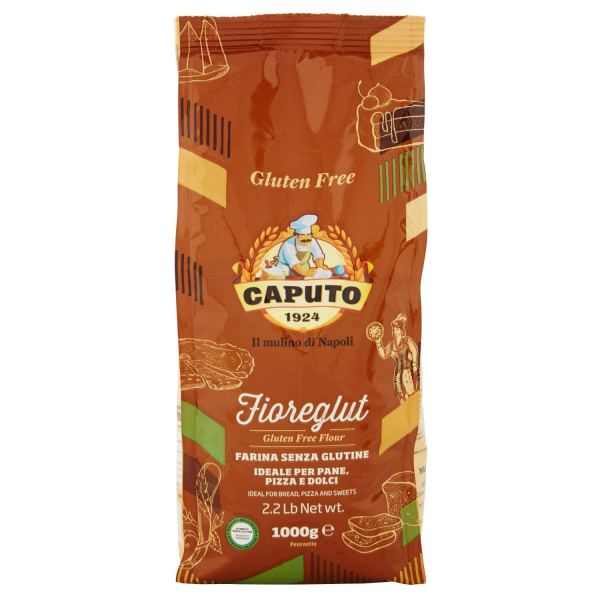
Fioreglut Tipo 00 gluten-free flour from Caputo
A gluten-free flour, perfect for people with gluten allergies or intolerances and for those who, at the same time, want to enjoy the very best.
That was pure joy at home! 🎉
But the thing is, during our countless tests with this flour… we realized that we also needed the right recipe and the right process to create the best gluten-free pizza dough, one that can rival the one with lots of gluten. 🍕 That was the goal!
Our client, *super dad* Sébastien, has also discovered that flour isn't the answer to everything. He wrote to us this week:
My little princess has celiac disease and she loves pizza! I tried to make one that would live up to her expectations ;-), but without success. On my last visit to your site, I ordered Caputo's Fioreglut Tipo 00 gluten-free flour . However, I can't seem to get anything other than a relatively flat dough that doesn't rise at all. Obviously, I'm not expecting the same results as with a dough containing gluten. But I imagine that pizza lovers like yourselves have developed a technique/recipe using this flour. I'd love to hear your advice on that! I'm using an Ooni Koda 12 .
Wow, what a dedicated dad! 🥺 Flour is one thing, but the method is a whole other world. And… good news! We found it! 😍
You can count on us to make sure your daughter enjoys her pizza, Sébastien!
Piiiiis in addition to sharing the ingredients and process for cooking your gluten-free pizza dough, we present the "must-have accessories" to support you.
Would you rather skip to the recipe? We don't blame you! Go to the recipe
Accessories for efficient preparation and rising (because yes, this dough RAISES!)
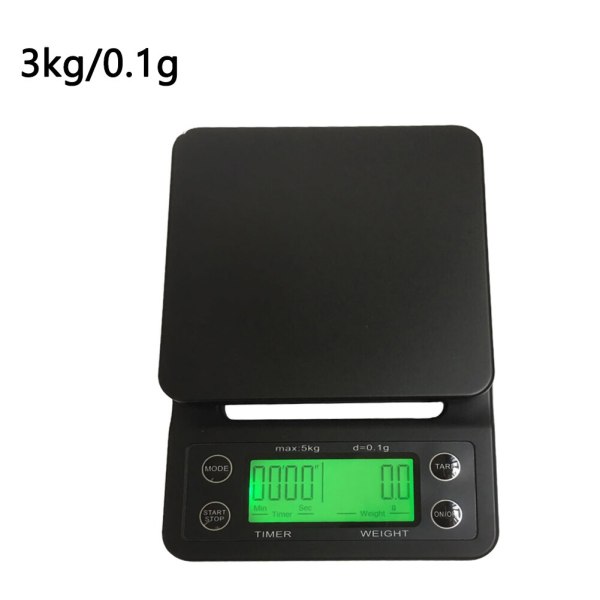
Portable electronic and digital scale for using the perfect amount of flour, yeast, water, olive oil and salt.

A fermentation tray for efficiently storing your pizza dough balls while they rise. It ensures your dough doesn't dry out.

Dough cutter for dividing pizza dough into several perfectly round balls (pre-fermentation). It's also handy for removing dough residue and excess flour from the work surface.
We'll share with you without delay how to make a delicious gluten-free pizza that puffs up (whaaaat?), just like a dough with gluten.
Go to the recipeTo follow the steps with your precious eyes 👇🏻
Print the recipe
Homemade gluten-free pizza dough with Caputo Fioreglut Tipo 00 flour
Equipment
- 1 optional electronic scale
- 1 stand mixer with dough hook/ optional food processor
- 1 optional fermentation tank
- 1 optional pastry cutter
Ingredients
- 500 g Fioreglut Tipo 00 gluten-free flour from Caputo
- 17 g salt
- 10 g active dry yeast
- 15g extra virgin olive oil
- 400 g lukewarm water 68 ° F (20 ° C)
Instructions
Making gluten-free pizza dough
- Using an electronic scale, weigh all of your ingredients. Set aside.
-
In the bowl of your stand mixer, combine the Caputo gluten-free flour and salt. Set aside.500 g gluten-free flour Fioreglut Tipo 00 from Caputo, 17 g salt
-
In a second bowl, add the lukewarm water. Stir in the yeast. Add the olive oil. Set aside.10 g active dry yeast, 400 g lukewarm water, 15 g olive oil
- In the bowl of the stand mixer, incorporate the liquid contents of the second bowl.
- Mix for 10 minutes using your mixer with the dough hook (or your food processor or knead vigorously using your hands).
Method for raising pizza dough (fermentation)
- Flour your work surface.
- Form a large ball. To better handle the dough, put a little oil on your hands.
- Place the large ball in a large bowl. Cover with plastic wrap to trap air and prevent the dough from drying out.
- Place the bowl in a temperate location for 2 hours. Aim for a room temperature between 60°F and 70°F (or 15°C and 21°C).
- Divide the large ball into 4 using a pastry cutter.
- Place your balls in a fermentation tray. Let them rise for 1 hour at room temperature, in a warm/humid place.
- Flour your work surface or pizza peel. Spread your ball of dough by pushing from the center outwards to form a crust about 23 cm (9 inches) in diameter with a small rim. Repeat for the remaining balls of dough.